








Understanding Smart Home Gadgets
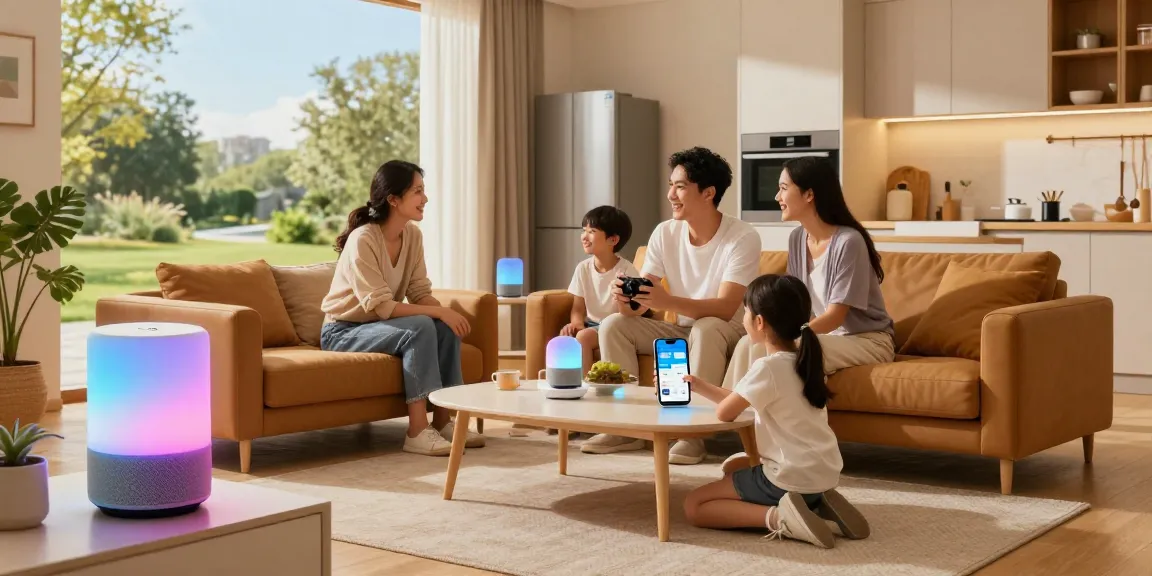
Smart home gadgets have revolutionized the way we interact with our living spaces, transforming traditional homes into interconnected ecosystems. These innovative devices not only enhance convenience but also promote energy savings, security, and overall comfort for homeowners. When exploring options, smart home gadgets offer a vast selection that caters to various needs and preferences. By integrating advanced technology into everyday tasks, smart gadgets make life easier and more efficient.
What Are Smart Home Gadgets?
Smart home gadgets are electronic devices that connect to a home network, enabling remote control via smartphones, tablets, or voice assistants. They range from simple devices like smart plugs and light bulbs to more complex systems such as smart thermostats and security cameras. These gadgets leverage Internet of Things (IoT) technology, allowing users to monitor and manage their homes from anywhere, enhancing both convenience and security.
How Smart Home Gadgets Work
The functioning of smart home gadgets relies on several key technologies, including Wi-Fi, Bluetooth, and Zigbee. Most devices connect to the home Wi-Fi network, allowing users to control them remotely through dedicated apps. For instance, smart lighting systems can be programmed to operate based on user schedules or can be activated via voice commands. Additionally, many devices use automation and AI to learn user preferences, adjusting settings accordingly for optimal performance.
Benefits of Integrating Smart Gadgets
The benefits of integrating smart home gadgets into a household are numerous and impactful:
- Increased Convenience: Control devices remotely to turn on/off lights, adjust the thermostat, or lock doors.
- Enhanced Security: Monitor your property with smart cameras and receive alerts about suspicious activity.
- Energy Efficiency: Use smart thermostats and lighting to reduce energy consumption and save on utility bills.
- Improved Comfort: Automate daily routines, such as brewing coffee in the morning or setting the mood with ambient lighting.
Key Categories of Smart Home Gadgets
Understanding the various categories of smart home gadgets can help homeowners make informed decisions about their technology investments. Below are some of the most popular categories:
Smart Security Systems
Security is a primary concern for homeowners, and smart security systems offer peace of mind. These systems often include smart locks, video doorbells, and surveillance cameras that can be monitored in real-time. They provide features like motion detection, alerts, and the ability to lock and unlock doors remotely, ensuring greater control over home security.
Smart Lighting Solutions
Smart lighting systems allow users to adjust the brightness and color of their lighting via apps or voice commands. These systems often include features like scheduling, energy monitoring, and motion sensors that enhance both convenience and energy efficiency. Popular options include smart bulbs from brands like Philips Hue and LIFX, which can be customized to suit various moods and occasions.
Smart Climate Control Devices
Smart thermostats, like the Nest Learning Thermostat, help optimize heating and cooling systems based on user habits. These devices learn preferences over time and can automatically adjust temperatures to save energy when no one is home. Additionally, they often provide energy consumption reports to help users make informed decisions that reduce their environmental footprint.
Choosing the Right Smart Home Gadgets for Your Needs
Selecting the right smart home gadgets involves understanding your specific needs and the capabilities of various products. Here are some tips to guide your decision-making process:
Assessing Your Smart Home Goals
Before purchasing smart home gadgets, determine your primary goals. Are you looking to enhance security, improve energy efficiency, or increase convenience? Identifying your objectives will help narrow down the options and focus on devices that meet those goals.
Factors to Consider When Selecting Devices
When evaluating smart home gadgets, consider the following factors:
- Compatibility: Ensure devices are compatible with your existing smart home ecosystem.
- Ease of Use: Look for gadgets that are user-friendly and offer straightforward installation processes.
- Support and Updates: Choose brands that provide regular software updates and customer support to keep devices secure and functional.
Popular Brands and Their Offerings
Several brands are recognized for their quality and innovative smart home gadgets. These include:
- Amazon: Known for the Echo line of smart speakers and devices integrated with Alexa.
- Google: Offers a range of smart home products designed to work seamlessly with Google Assistant.
- Philips Hue: Specializes in smart lighting solutions known for their versatility and extensive customizability.
Installation and Setup of Smart Home Gadgets
Installing smart home gadgets can vary in complexity, but following best practices can simplify the process considerably. Here are some essential tips to consider for a smooth installation experience:
Best Practices for Installation
To ensure a successful setup of smart home gadgets, follow these best practices:
- Read the Manual: Always start with the manufacturer’s instructions, as they provide detailed guidance specific to the device.
- Check Compatibility: Ensure that your Wi-Fi network is strong and compatible with the device’s requirements.
- Test Connectivity: Before finalizing installation, check that the device connects properly to your network.
Troubleshooting Common Issues
If you experience connectivity problems or device malfunctions, here are some common troubleshooting steps:
- Restart the Device: Many issues can be resolved by simply restarting the device.
- Check Network Connection: Ensure your Wi-Fi is functioning properly and within range.
- Update Firmware: Keeping devices updated can solve compatibility issues and improve performance.
Connecting Devices for Seamless Integration
For optimal performance, connect all compatible devices to a unified smart home ecosystem. Most smart gadgets can connect through centralized hubs or platforms, such as Google Home or Amazon Alexa, allowing for easier control and automation.
Future Trends in Smart Home Technology (2026 and Beyond)
The smart home landscape is constantly evolving, with new technologies and trends emerging regularly. Here are some of the most anticipated innovations in smart home technology:
Emerging Smart Home Gadgets to Watch
As technology advances, new gadgets are expected to enter the market. This includes smart appliances that can communicate with each other, wearable devices that integrate more closely with home environments, and enhanced security systems with AI and machine learning capabilities.
Impact of AI on Smart Homes
Artificial Intelligence (AI) is set to revolutionize smart home technology by enabling devices to learn and adapt to user behaviors autonomously. This could lead to more intuitive systems that proactively manage home environments based on preferences and patterns.
Predictions for Smart Home Innovations
Looking ahead, the integration of 5G technology is expected to enhance the functionality of smart home devices, improving connectivity and allowing for more complex applications such as remote health monitoring and enhanced security solutions. Additionally, sustainability will play a significant role, as consumers increasingly seek energy-efficient devices that align with environmentally friendly practices.