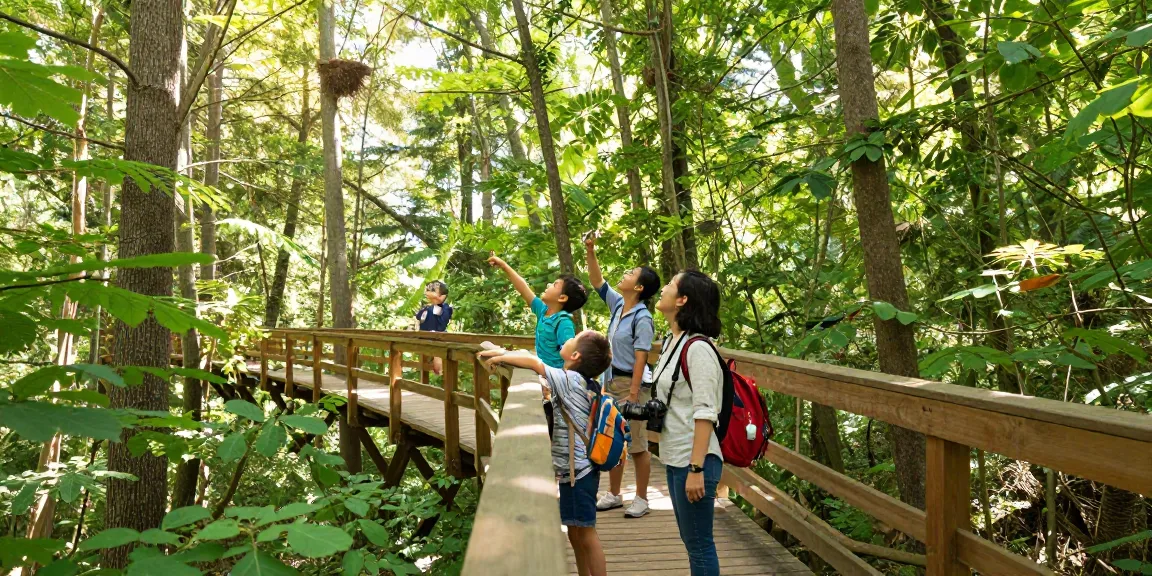
Understanding the Treetop Walkway Experience
Imagine stepping into a realm where the forest comes alive around you, where the air is rich with the scents of pine and earth, and the sounds of chirping birds and rustling leaves create a natural symphony. This is the beauty of a Treetop Walkway, an elevated pathway that allows visitors to explore the wonders of the forest canopy from a unique perspective. Designed for adventurers and nature lovers alike, these walkways provide unparalleled views and an intimate connection with the ecosystem. As we delve into the world of treetop walkways, we'll uncover what they are, their benefits, and how they enhance our appreciation of nature.
What is a Treetop Walkway?
A treetop walkway, also known as a canopy walkway or treetop trail, is an elevated structure that allows pedestrians to walk among the branches of trees, typically situated between 20 to 70 feet above ground. These pathways are often constructed from sustainable materials to blend seamlessly into the environment, ensuring minimal disruption to the existing flora and fauna. Some treetop walkways are ingeniously designed to take visitors on a winding path through the canopy, providing stunning views of the forest and the wildlife that inhabits it.
Benefits of Visiting Treetop Walkways
Visiting a treetop walkway offers numerous benefits, both for individual wellbeing and environmental awareness:
- Connection with Nature: Being elevated above the ground allows for a unique vantage point that enhances your connection with the ecosystem.
- Physical Activity: Walking these pathways promotes physical fitness while enjoying the fresh air and natural surroundings.
- Wildlife Observation: Treetop walkways offer an opportunity to observe birds, insects, and other wildlife in their natural habitat, often up close.
- Educational Opportunities: Many walkways include informational plaques or guided tours that provide insights into the local ecosystem, contributing to conservation efforts.
How Treetop Walkways Enhance Nature Appreciation
By taking visitors into the canopy, treetop walkways foster a deeper appreciation for the intricate relationships between organisms in the forest. You'll witness first-hand how sunlight filters through the leaves, creating a dappled effect on the forest floor, and perhaps spot birds nesting in their natural environment. This elevated perspective can instil a sense of wonder and respect for nature, inspiring environmental stewardship.
Planning Your Visit to a Treetop Walkway
Choosing the Right Location
With various treetop walkways around the globe, selecting the right one depends on factors like your location, the type of environment you wish to experience, and the level of accessibility required. Popular treetop walkways include the Treetop Walkway at Kew Gardens in London and the Wild Walk at The Wild Center in New York, each offering unique experiences tailored to different preferences.
Best Times to Visit for Optimal Experiences
Timing your visit can greatly enhance your experience. Early mornings or late afternoons often provide the best light for photography, while the cooler parts of the day can make for a more pleasant walk. Additionally, visiting during the spring or autumn months can offer breathtaking scenery as foliage changes, making your stroll even more enjoyable.
Facilities and Accessibility Options
When planning a visit, consider the facilities available at the site. Many treetop walkways have amenities such as restrooms, picnic areas, and educational centres. Accessibility options can vary, so check for ramps and rest areas along the walkway to ensure that visitors of all ages and abilities can enjoy the experience. Always check the specific site’s website for detailed information.
Safety Considerations and Guidelines
Safety Features of Treetop Walkways
Safety is paramount when it comes to treetop walkways. Most walkways feature sturdy railings, anti-slip surfaces, and regular maintenance checks to ensure visitor safety. It's also essential to follow the posted guidelines and instructions, particularly during adverse weather conditions.
Tips for a Safe Experience with Children
When visiting with children, it's essential to instil a sense of safety and awareness. Ensure they understand the importance of staying within designated areas and using handrails. Keeping a close eye on young children on elevated pathways can help avoid accidents, allowing for a fun and secure adventure.
Emergency Procedures and Contacts
Before embarking on your journey, familiarise yourself with the emergency procedures in place at the treetop walkway. Most locations will have emergency exits, first aid kits, and staff trained to respond to emergencies. Save any contact numbers provided on signage in case assistance is needed during your visit.
Environmental Impact and Conservation Efforts
How Treetop Walkways Are Designed to Minimise Impact
Environmental consciousness is a key component of treetop walkway design. By elevating the pathway, these structures limit the disturbance to the forest floor, protecting delicate ecosystems. Engineers often utilise eco-friendly materials and construction techniques that blend with the surroundings, ensuring a minimal ecological footprint.
Inspiring Conservation Through Visitor Engagement
Many treetop walkways incorporate educational elements that highlight conservation efforts and the importance of biodiversity. Engaging displays and interactive exhibits encourage visitors to consider their impact on the environment and promote sustainable practices.
Partnerships with Local Environmental Groups
To bolster conservation efforts, treetop walkways often collaborate with local environmental organisations. These partnerships can lead to community involvement in preserving the surrounding natural habitat, creating a sense of responsibility among visitors about protecting the ecosystems they enjoy.
Future Trends for Treetop Walkways in 2026
Innovative Designs on the Horizon
The design of treetop walkways is evolving with technological advancements, incorporating elements like augmented reality for educational purposes or sensory pathways that engage visitors in unique ways. As architects and conservationists work together, we can expect to see more immersive experiences that connect people with nature.
Sustainable Materials and Practices
In the coming years, sustainability will remain at the forefront of treetop walkway construction. Innovations in materials, such as recycled composites and sustainable timber, will become more commonplace. Expect to see structures that not only minimise impact but also contribute positively to their environment.
Community Engagement and Educational Programs
Future treetop walkways will likely expand their focus on community engagement, offering workshops, guided nature walks, and educational programmes for schools and families. These initiatives will encourage an appreciation for nature among younger generations, ensuring the conservation message is passed down.
What to Consider When Choosing a Treetop Walkway?
When selecting a treetop walkway to visit, consider factors such as your fitness level, the interests of your group, and the specific attractions each location offers, including wildlife observation and educational opportunities. Researching visitor reviews and engaging with local tourism offices can also aid in making an informed decision.
What Makes a Treetop Walkway Unique?
Each treetop walkway boasts its own unique features and attractions. From stunning architectural design to the native wildlife that inhabits the area, these variations provide distinct experiences. Investigating what each walkway has to offer will enhance your visit and create memorable moments.
How to Prepare for Your First Treetop Walk?
Before embarking on your treetop walk adventure, ensure you’re adequately prepared. Wear comfortable shoes, bring water, and consider packing binoculars for wildlife spotting. Familiarise yourself with the weather forecast and plan accordingly to ensure a pleasant experience.
Are Treetop Walkways Suitable for All Ages?
Treetop walkways can be enjoyed by all ages, but it's essential to consider the physical ability of younger children and older adults. Most walkways are designed with accessibility in mind, but always check specific site guidelines to ensure compliance for all visitors.
What Wildlife Can You Expect to See on Treetop Walks?
Walking among the treetops often brings you face to face with an array of wildlife, from colourful birds to curious squirrels. Depending on the region, you may encounter species unique to that habitat, making every visit a potential adventure of discovery.
How Photography Enhances the Treetop Walk Experience?
Photography can significantly enrich your treetop walk experience. The unique angles provided from the canopy, combined with the changing light throughout the day, present countless opportunities for stunning photographs. Remember to capture not just the landscape but also the intricate details of the flora and fauna that you encounter.