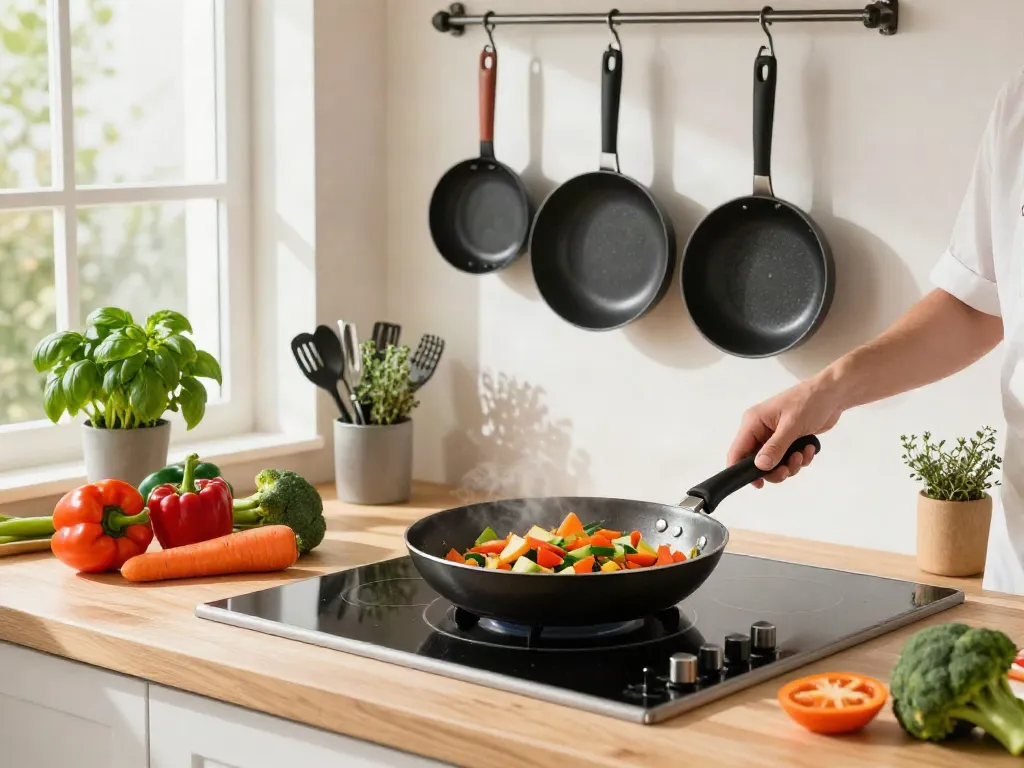
Understanding Non-Stick Cookware Price in Bangladesh
As the culinary world continues to evolve, the demand for efficient and safe cooking solutions has never been higher, particularly in Bangladesh. Non-stick cookware, known for its convenience and ease of use, has become a staple in many households. As we approach 2026, understanding the Non-Stick Cookware price in bangladesh is crucial for consumers looking to make informed purchasing decisions. From frying pans to complete sets, the variety available in the market caters to diverse cooking needs and budgets.
Current Pricing Trends for 2026
The price of non-stick cookware in Bangladesh varies significantly depending on multiple factors such as brand, material, and size. In 2026, consumers can expect to see a price range that generally starts from around BDT 1,500 for basic models and goes up to BDT 10,000 or more for premium sets. This broad range indicates that there are options available for both budget-conscious buyers and those looking to invest more in high-quality cookware.
The increasing popularity of non-stick cookware is also reflected in the growing number of brands entering the market, each offering unique features and price points. For instance, well-known brands like Walton and Kiam offer several models with innovative designs, which could influence pricing and consumer choice. Overall, pricing trends for 2026 suggest a shift towards more affordable options without compromising on quality.
Factors Influencing Prices of Non-Stick Cookware
- Material Used: The type of material, such as aluminum or ceramic, largely impacts the price. Cast aluminum tends to be more affordable compared to die-cast aluminum cookware.
- Coating Technology: Advanced coatings like PFOA-free or ceramic-based products generally come at a higher price due to their health and performance benefits.
- Brand Reputation: Established brands with a proven track record in quality often command higher prices compared to newer or lesser-known brands.
- Size and Type: Large sets or specialized cookware (like induction-compatible pieces) may incur additional costs.
Comparison of Popular Brands and Their Prices
In Bangladesh, several brands stand out in the non-stick cookware market. For example, Walton’s Dynamic Die Cast Cookware series offers an intriguing price range, with items priced from BDT 2,500 to BDT 8,000. Kiam, another competitive brand, has models that range from BDT 3,000 for a basic 5-piece set to BDT 6,500 for more elaborate collections featuring advanced ceramic coatings.
Here’s a brief comparison of some popular brands and their starting prices:
- Walton: Starts from BDT 2,500
- Kiam: Starts from BDT 3,000
- Ember: Starts from BDT 4,200
- RFL: Starts from BDT 2,800
Types of Non-Stick Cookware Available
Cast Iron vs. Aluminum: What’s Best for You?
The debate between cast iron and aluminum non-stick cookware persists among cooking enthusiasts. While both materials are widely used, they come with distinct advantages and disadvantages.
- Cast Iron: Known for its excellent heat retention and even cooking, cast iron cookware can provide superior results. However, it is generally heavier and requires proper seasoning to maintain its non-stick properties.
- Aluminum: Lightweight and heat-conductive, aluminum non-stick cookware heats up quickly and is easy to handle. However, it may not retain heat as well as cast iron, and lower-quality aluminum can warp over time.
Exploring Different Coating Options
Non-stick coatings vary in both material and technology, impacting both performance and price. Some of the most common types of coatings include:
- PTFE Coating: This traditional non-stick material is effective but can degrade over time, especially if damaged with metal utensils.
- PFOA-Free Coatings: These are similar to PTFE but are safer in terms of health, making them a popular choice among consumers.
- Ceramic Coatings: While often more expensive, ceramic coatings are touted for being free from harmful chemicals and provide a natural non-stick surface.
Which Size Should You Choose?
Choosing the right size of cookware is essential to meet your cooking needs. Factors such as the number of people you cook for and the type of dishes you prepare will dictate your selection. Consider the following:
- Single Pieces: Ideal for small families or individuals, a 24-cm frying pan or a casserole dish can suffice for everyday cooking.
- Complete Sets: For larger households or those who frequently entertain, investing in a comprehensive set that includes various sizes and types can streamline meal preparation.
Benefits of Non-Stick Cookware
Health Benefits of PFOA-Free Cookware
The health implications of cookware materials are becoming increasingly important to consumers. PFOA-free cookware eliminates risks associated with harmful chemicals—especially when subjected to high heat. Choosing such products not only contributes to safer cooking but also promotes a healthier lifestyle.
Cooking and Cleaning Efficiency
One of the standout features of non-stick cookware is its ease of use. Food is less likely to stick to the surface, which simplifies both cooking and cleaning. Most non-stick surfaces require minimal oil, enabling healthier cooking options.
Additionally, a quick wipe with a sponge is often sufficient for cleaning, making non-stick cookware ideal for busy households.
Durability and Longevity Considerations
The lifespan of non-stick cookware largely depends on the quality of the material and how well it is maintained. Higher-end models tend to last longer, even with regular use. However, it is essential to follow care guidelines, such as using non-metal utensils and avoiding high heat, to prolong the lifespan of your cookware.
Choosing the Right Non-Stick Cookware Set
What to Look for in a Non-Stick Cookware Set?
When selecting a non-stick cookware set, consider the following criteria:
- Material Quality: Look for durable materials that can withstand daily cooking demands.
- Coating Type: Choose between different coating technologies based on your cooking style and health preferences.
- Brand Reputation: Opt for brands known for quality assurance and customer service.
Single Pieces vs. Complete Sets: Pros and Cons
Buying single pieces might save money upfront, but a complete set can offer better overall value and convenience. Evaluate your cooking habits and kitchen space to determine what works best for you.
- Single Pieces: Ideal if you need to replace one specific item or don’t have the budget for a full set.
- Complete Sets: Often more economical in the long run, providing a comprehensive solution for diverse cooking needs.
Budget Options vs. Premium Cookware
While budget cookware can be appealing, investing in premium options can lead to better performance and longevity. Assess your budget and cooking frequency to make the right choice. Remember, the best option might not always be the most expensive one, but it should reflect a balance of quality and cost-effectiveness.
Frequently Asked Questions about Non-Stick Cookware
Which brand is best for non-stick cookware?
There are several reputable brands known for their quality non-stick cookware, such as Walton, Kiam, and RFL. Each brand has its strengths, and the best choice often depends on specific needs and preferences.
What is the average price of a non-stick frying pan in Bangladesh?
As of 2026, the average price for a standard non-stick frying pan ranges from BDT 1,500 to BDT 4,000, depending on the brand and features.
How long does non-stick cookware last?
Typically, high-quality non-stick cookware can last anywhere from 3 to 10 years, depending on usage and care. Proper maintenance can significantly extend its lifespan.
Is ceramic coating better than traditional non-stick coating?
Ceramic coatings are generally perceived as safer and more environmentally friendly compared to traditional coatings, but they may not be as durable. Each type has its own advantages, and the best choice depends on individual cooking habits.
Can non-stick cookware be used on induction stoves?
Not all non-stick cookware is suitable for induction cooktops. Always check the manufacturer's specifications to ensure compatibility with induction technology.