Understanding CNC Machined Stainless Steel Parts
CNC machined stainless steel parts are essential components in various industries due to their durability, resistance to corrosion, and high strength-to-weight ratio. In a world where precision and quality are paramount, the demand for these components has surged, particularly as industries continue to evolve and innovate. From the fast-paced medical field to the rigorous demands of aerospace, the applications for cnc machined stainless steel parts are extensive and varied. When exploring options, cnc machined stainless steel parts provide comprehensive insights into what you can expect from these reliable components.
What are CNC Machined Stainless Steel Parts?
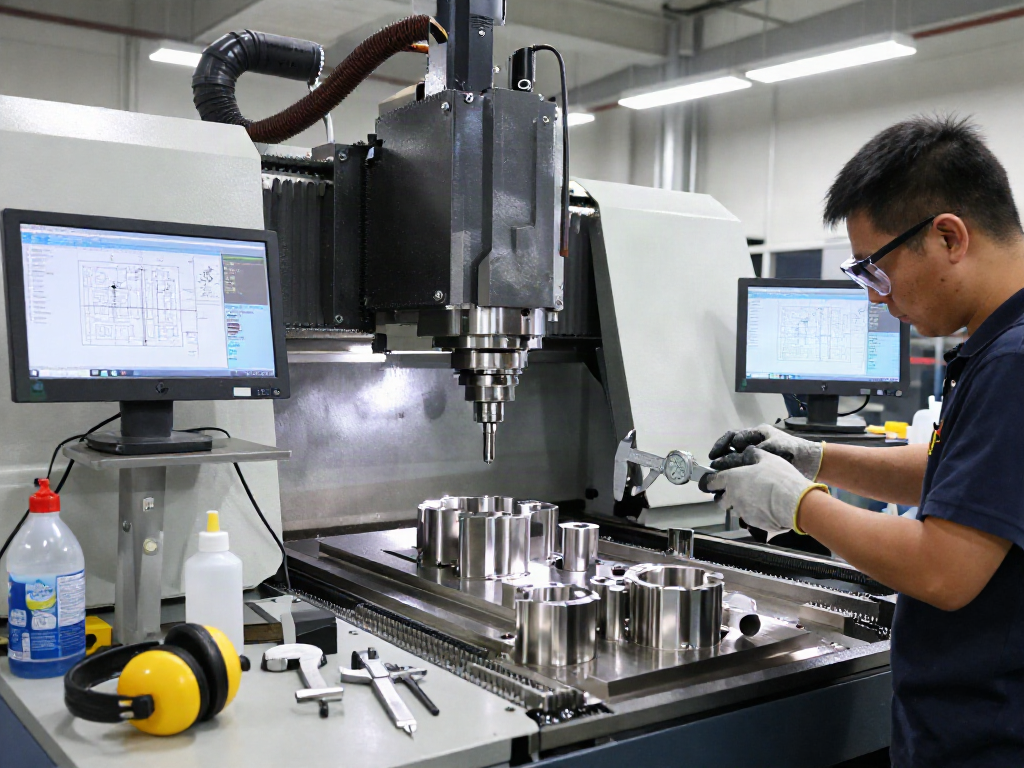
CNC (Computer Numerical Control) machining is a manufacturing process where pre-programmed computer software dictates the movement of factory tools and machinery. The process enables the production of precise and intricate parts from various materials, including stainless steel. CNC machined stainless steel parts are made by removing material from a stainless steel block to create a desired shape, ensuring high precision and uniformity in the final product.
These parts are widely utilized in sectors such as automotive, medical, aerospace, and exploration, where the integrity and reliability of components are critical. The flexibility of CNC machining allows for complex geometries and precise tolerances, making it a go-to solution for engineers and designers aiming for excellence.
Benefits of Using Stainless Steel in CNC Machining
Stainless steel is favored in CNC machining for several compelling reasons:
- Corrosion Resistance: Stainless steel is naturally resistant to oxidation and corrosion, making it ideal for components exposed to moisture and harsh conditions.
- Strength and Durability: It offers exceptional strength, enabling the production of parts that can withstand significant stress and strain.
- Biocompatibility: Stainless steel is non-reactive and safe for use in medical applications, particularly for implants and surgical instruments.
- Versatility: It can be machined into a wide range of shapes and sizes, accommodating various design specifications.
Common Applications Across Industries
The applications of CNC machined stainless steel parts are diverse, catering to various industries that demand high-performance components:
- Aerospace: Used for engine parts, brackets, and fasteners, where weight and strength are crucial.
- Medical Devices: Surgical instruments, implants, and medical machinery made from stainless steel ensure safety and durability.
- Food and Beverage: Parts that come in contact with food must be hygienic and corrosion-resistant; stainless steel meets this requirement.
- Automotive: Components such as exhaust systems and fittings benefit from the high strength and corrosion resistance of stainless steel.
Identifying Common Issues with CNC Machined Parts
While CNC machining offers many advantages, there are challenges that manufacturers may encounter. Understanding these issues can help in implementing effective solutions.
Surface Finish Imperfections
Surface finish is crucial for ensuring the aesthetic and functional quality of machined parts. Imperfections can arise from various factors, including tool wear, improper machining speeds, and feed rates. Implementing regular maintenance on CNC machines and opting for the right tooling materials can significantly mitigate these issues.
Dimensional Accuracy Challenges
Achieving precision is fundamental in CNC machining; however, dimensional inaccuracies can occur due to machine calibration errors, temperature fluctuations, or operator mistakes. Utilizing advanced measuring tools and adhering to strict quality control measures can enhance dimensional accuracy.
Material Selection and Compatibility Problems
Choosing the wrong material for specific applications can lead to compatibility issues and premature failure. It’s critical to understand the properties of various stainless steel grades, such as 304, 316, and others, to ensure the right selection for the intended use.
Best Practices for CNC Machining Stainless Steel
Optimal Machining Techniques and Tools
Employing the right machining techniques and tools can significantly enhance the quality of CNC machined stainless steel parts. Techniques such as high-speed machining and utilizing appropriate cutting tools can ensure superior surface finishes and extended tool life.
Maintaining Machinery for Precision Output
Regular maintenance of CNC machinery is essential for operational efficiency. Scheduled inspections, timely replacement of worn-out components, and software updates are crucial to maintain the precision output necessary for high-quality parts.
Quality Control Measures in Production
Implementing comprehensive quality control protocols throughout the manufacturing process can drastically reduce errors. Utilizing statistical process control (SPC) can help monitor and control the production parameters to maintain the desired quality standards.
Case Studies: Successful CNC Machined Stainless Steel Parts
Innovative Applications in Aerospace
The aerospace sector often requires complex, high-precision stainless steel components. A recent case study involved the production of turbine engine components, where specialized CNC machining techniques allowed for the creation of complex geometries that offered substantial weight reductions without compromising strength.
Healthcare Solutions with Custom Stainless Steel Parts
In the medical field, a company developed ultra-precise surgical instruments made from stainless steel, where CNC machining ensured that the instruments met stringent hygiene and performance standards. The ability to produce these instruments at scale while maintaining high precision showcased the versatility of CNC machining.
Comparative Analysis of Manufacturing Techniques
By comparing traditional machining methods with CNC machining, a notable case revealed that switching to CNC operations resulted in a 30% increase in efficiency and a 20% reduction in material waste, highlighting the efficacy of modern machining techniques in producing stainless steel parts.
Future Trends in CNC Machined Stainless Steel Parts
The future of CNC machined stainless steel parts is poised for growth, propelled by advancements in technology and shifts in industry demands.
Emerging Technologies and Innovations
Technologies such as artificial intelligence and machine learning are beginning to play a significant role in enhancing CNC machining processes. Predictive maintenance, for instance, is being utilized to anticipate machine failures before they happen, thereby reducing downtime and maintaining production efficiency.
Sustainability Practices in Manufacturing
As industries become increasingly aware of their environmental impact, sustainable practices in CNC machining are gaining traction. Techniques such as optimizing material usage and using eco-friendly lubricants are being implemented to minimize waste and reduce the carbon footprint of manufacturing processes.
Predictions for 2026 and Beyond
Looking ahead, the CNC machining industry is expected to embrace further advancements in automation, with increased integration of robotics in the production line. This will not only enhance efficiency but will also enable manufacturers to scale operations while meeting the evolving demands of various industries.
What are the best materials for CNC machining stainless steel?
Common materials include 304, 316, and 410 grades of stainless steel, each offering unique properties tailored to specific applications.
How can I improve the surface finish of my CNC machined parts?
Utilizing the right cutting tools, optimizing feed rates and speeds, and employing post-machining processes like polishing can significantly improve surface finish.
What is the typical cost range for CNC machined stainless steel parts?
The cost can vary widely based on factors such as complexity, material type, and production volume, but typical ranges fall between $5 and $100 per part.
How do I choose the right CNC machining service provider?
Key considerations include evaluating their experience, technology capabilities, quality control measures, and customer reviews to ensure they meet your specific requirements.
What are the key maintenance tips for CNC machines?
Regularly inspect and clean machines, calibrate tools, maintain lubrication, and monitor software updates to ensure optimal machining performance.