






Understanding Smart Sprinklers and Their Benefits
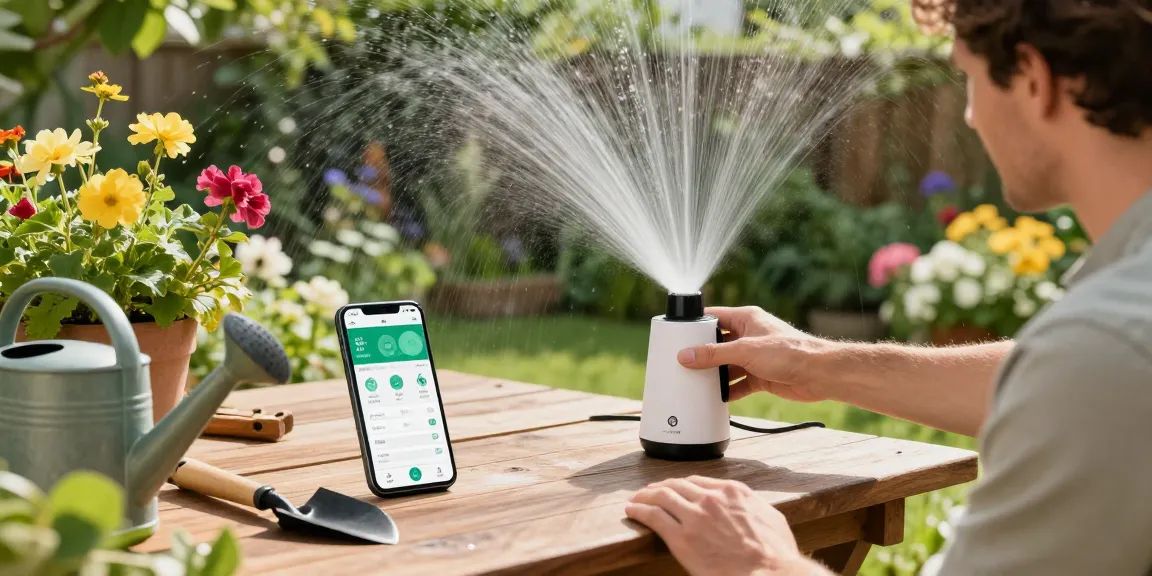
As homeowners increasingly look for ways to enhance their gardens while being mindful of water usage, smart sprinkler systems have emerged as a practical solution. These advanced irrigation systems not only save water but also ensure that your plants receive the precise amount of moisture they need to thrive. With innovative technology, today’s smart sprinklers can adapt to weather conditions, track soil moisture levels, and allow homeowners to manage their watering schedules conveniently from their smartphones. When exploring options, smart sprinkler systems offer comprehensive insights into your home’s irrigation needs.
What is a Smart Sprinkler?
A smart sprinkler is an automated irrigation system that utilizes technology to control water distribution based on various factors, including soil moisture, weather forecasts, and plant requirements. These systems typically connect via Wi-Fi to enable remote monitoring and control through a dedicated smartphone app. The primary goal of smart sprinklers is to ensure optimal water usage while maintaining the health of your garden.
The Advantages of Smart Sprinkler Systems
There are numerous benefits associated with smart sprinkler systems that make them a worthwhile investment for homeowners:
- Water Conservation: By adjusting watering schedules according to real-time weather data, smart sprinklers significantly reduce water waste, helping you lower your utility bills.
- Reduced Maintenance: Automated systems mean less manual labor for homeowners. You can set it once and enjoy a lush garden without daily oversight.
- Healthier Plants: These systems ensure consistent moisture levels, avoiding the dangers of over or under-watering, which can stress plants and hinder growth.
- Remote Access: Monitor and control your watering schedules from anywhere through mobile applications, making management easy and efficient.
How Smart Sprinklers Contribute to Water Conservation
Water scarcity is an ever-growing concern across the globe, and smart sprinklers play a critical role in addressing this issue. By utilizing sensors that detect soil moisture, these systems determine when irrigation is truly necessary. Additionally, many smart sprinklers integrate with weather forecasting services to prevent unnecessary watering during rainy days or extreme conditions. For instance, advanced models allow users to manually set parameters, ensuring effective irrigation tailored to specific landscaping needs while promoting eco-friendly practices.
Choosing the Right Smart Sprinkler for Your Needs
When it comes to selecting a smart sprinkler that aligns with your gardening requirements, it’s essential to consider various factors. A smart sprinkler should seamlessly integrate into your lifestyle while providing you with the necessary features to ensure your plants thrive.
Factors to Consider When Selecting a Smart Sprinkler
- Coverage Area: Evaluate the size of the area you need to cover. Different models offer varying coverage types, from micro-systems for small gardens to extensive setups for larger properties.
- Water Source Compatibility: Ensure that the smart sprinkler you choose is compatible with your existing water source and irrigation system.
- Smartphone Integration: Look for systems that offer robust mobile applications with user-friendly interfaces.
- Soil Sensors: Opt for models that include soil moisture sensors for more efficient water management, which can enhance your planting experience.
Top Features to Look For in a Smart Sprinkler
Identifying key features can assist you in choosing the best smart sprinkler for your home. Consider these essential features:
- Custom Scheduling: The ability to set different watering schedules for various zones in your garden can streamline your irrigation process.
- Weather Intelligence: Select a model that adjusts watering based on local weather conditions to enhance water efficiency.
- Flow Rate Monitoring: This feature allows you to track water usage and detect leaks in the system, preventing waste.
- Mobile Notifications: Receive alerts on your smartphone for system performance, alerts for abnormalities, or reminders when maintenance is needed.
Comparing Different Smart Sprinkler Brands
As the market for smart irrigation technology grows, various brands have emerged, each offering unique features. Researching and comparing options will help you identify the system that aligns best with your needs. Key considerations should include user reviews, warranty options, and customer service reputation, all of which can provide valuable insights into the effectiveness of different brands.
Installation and Setup of Smart Sprinklers
Once you’ve selected a smart sprinkler, the next step is installation. This process can vary significantly by model but generally follows similar procedures.
Step-by-Step Installation Process
- Gather Equipment: Ensure you have all necessary tools such as hoses, connectors, and a wrench for the installation.
- Identify Water Source: Determine the best connection point for your smart sprinkler system.
- Install the Controller: Follow the manufacturer’s instructions to set up the control unit. This typically involves connecting it to the water source and any additional components like soil sensors.
- Set Up the Sprinkler Heads: Position the sprinkler heads according to your garden layout, ensuring complete coverage without overlaps.
- Test the System: Before finalizing installation, run a quick test to ensure that all components are functioning correctly and no leaks are present.
Connecting Your Smart Sprinkler to Wi-Fi
Connecting your new smart sprinkler to your home Wi-Fi network is a crucial step. Most models will guide you through this process via their mobile application. Typically, this involves:
- Creating an account with the manufacturer’s app.
- Entering your Wi-Fi credentials.
- Following prompts to connect the sprinkler, often involving a QR code scan.
Configuring the Sprinkler App for Optimal Performance
The mobile app is the brain of your smart sprinkler system. Configuration will usually include setting your watering schedule, adjusting moisture levels, and linking weather data sources. Be sure to take your time here to optimize settings for your unique gardening needs.
Utilizing Smart Sprinklers Effectively
To maximize the benefits of your smart sprinkler system, it’s essential to use it effectively and efficiently.
Creating an Efficient Watering Schedule
Creating a watering schedule that aligns with your garden’s needs is straightforward but crucial. Factors to consider include:
- Plant types and their individual water requirements.
- Seasonal changes and local climate conditions.
- The type of soil and its moisture retention capabilities.
Monitoring and Adjusting Water Usage
Regularly monitoring your smart sprinkler’s performance is essential. Use the app’s analytics features to track water usage, ensuring no unnecessary waste. Adjust schedules based on observed plant health and environmental changes, tailoring irrigation to meet your garden’s evolving demands.
Integrating Smart Sprinklers with Weather Forecasts
One of the most powerful features of smart sprinklers is their ability to integrate with local weather data. This enables automatic adjustments to your watering schedule in response to rain forecasts, significantly enhancing water conservation. Ensure this feature is enabled in your app settings for optimal efficiency.
Future Trends in Smart Sprinkler Technology
The future of smart sprinklers is promising, with emerging technology poised to revolutionize home irrigation systems further.
Emerging Innovations in Irrigation Technology for 2026
As we look ahead, innovations such as AI-controlled irrigation, advanced moisture sensors, and enhanced data analytics will likely redefine how we approach home gardening. Future smart sprinklers will not just react to weather conditions but proactively manage water distribution based on extensive environmental data.
The Role of AI in Smart Irrigation Systems
Artificial Intelligence will increasingly play a vital role in optimizing irrigation systems. AI technologies will analyze complex data sets to improve irrigation efficiency and plant health. Through machine learning, these systems may learn which plants require more or less water based on their health and growth, further refining water usage.
Predictions for the Future of Home Gardening Technology
As technology continues to advance, homeowners can expect more integrated solutions that streamline gardening. This may include all-in-one smart gardening apps that control moisture, nutrient levels, and even pest management, making home gardening more accessible and sustainable.
Why Invest in Smart Sprinklers?
Investing in a smart sprinkler system is a commitment to enhancing both your garden’s health and your home’s sustainability efforts. The combination of convenience, efficiency, and water conservation makes smart sprinklers a sound investment for modern homeowners.
How Do Smart Sprinklers Save Money Over Time?
The financial savings from reduced water usage can be significant. By preventing over-watering and improving your garden’s health, you also reduce the costs associated with replacing dead plants and lawn repairs, making smart sprinklers economically sensible in the long term.
What are the Common Challenges with Smart Sprinkler Systems?
Like any technology, smart sprinklers are not without their challenges. Common issues include connectivity problems, miscommunication with sensors, and the occasional need for software updates. However, with good customer support, these problems can often be resolved with relative ease.
Can Smart Sprinklers Work with Existing Irrigation Systems?
Yes, many smart sprinklers are designed to be compatible with existing irrigation systems. Before installation, verify compatibility with your current setup to ensure a smooth transition.
How Often Should You Maintain Your Smart Sprinkler System?
Regular maintenance is essential to keep your smart sprinkler system functioning optimally. This includes checking for leaks, cleaning sprinkler heads, and ensuring that sensors are correctly calibrated. Ideally, a thorough inspection should occur at least twice a year to catch any potential issues before they become significant problems.