







Understanding Wood-Boring Insects and Their Impact
What Are Wood-Boring Insects?
Wood-boring insects are a diverse group of pests, including various species of beetles that infest wooden structures. These insects lay their eggs in wood, and upon hatching, the larvae bore into the timber, feeding on it as they grow. Common wood-boring insects include the woodworm, house longhorn beetle, and powderpost beetles. Their presence is not just a nuisance; it poses severe risks to the integrity of wooden structures and furniture.
The Damage Caused by Woodworms
Woodworms are notorious for the damage they inflict on timber. Their boring activities weaken structural components, leading to compromised stability in buildings and potentially costly repairs. The damage is not always visible from the surface, making proactive measures essential. Unaddressed infestations can result in significant financial loss, especially in older buildings where wood is a primary material.
Signs of Infestation in Wooden Structures
Recognizing the signs of wood-boring insect infestations can save homeowners and property managers a great deal of trouble. Look for small exit holes, fine dust (frass), or crumbling wood. Additionally, unusual sounds or a soft, spongy feel to wood surfaces may indicate that an infestation is underway. Early detection is key to effective treatment.
Introduction to Shashel Technology
Overview of Microwave Wood Treatment
Shashel® offers a revolutionary solution to wood treatment through advanced microwave technology. This method is designed to eliminate wood-boring insects like woodworms swiftly and effectively, without the use of harmful chemicals. Unlike traditional treatments, which can take days or even weeks, Shashel’s microwave system achieves results in mere minutes. This efficiency not only saves time but also enhances the effectiveness of the treatment.
When exploring options, Shashel provides comprehensive insights into the advantages of microwave technology over conventional pest control methods.
Benefits of Chemical-Free Solutions
Consumers are increasingly concerned about the chemicals used in pest control, particularly when it comes to their homes and workplaces. Shashel’s microwave technology provides a chemical-free alternative, ensuring that occupants are not exposed to toxic substances during treatment. This approach is safer for both humans and pets while minimizing environmental impact. Additionally, chemical-free solutions often align with sustainable practices, appealing to eco-conscious consumers.
How Shashel Devices Work
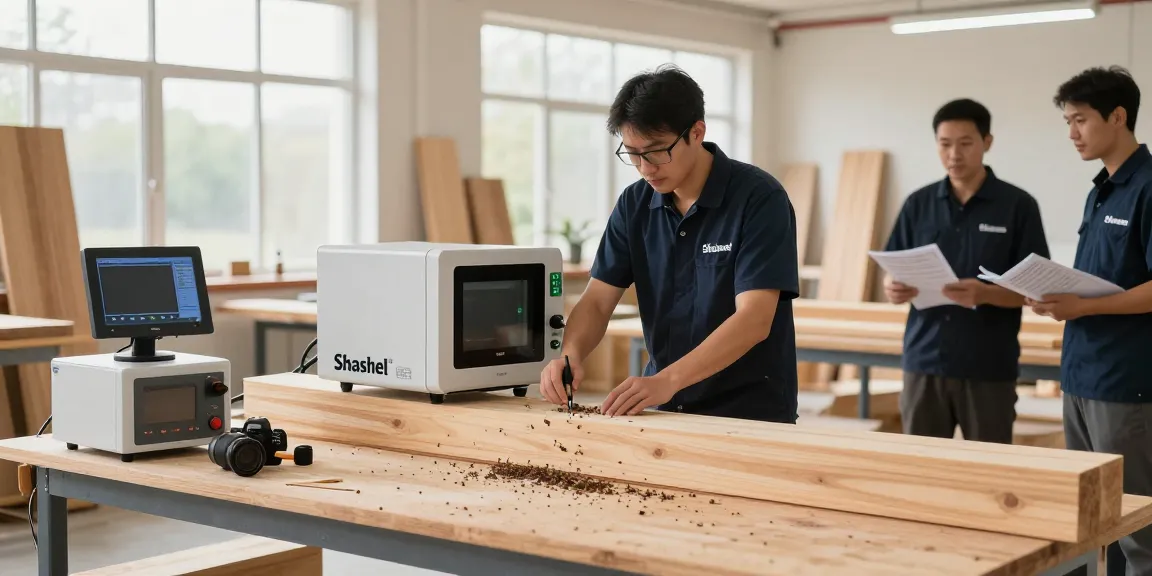
The Shashel microwave devices operate by emitting controlled electromagnetic waves that penetrate wood, stimulating water molecules. This process raises the temperature within the wood to lethal levels for wood-boring insects, larvae, and eggs. The treatment is quick and effective, ensuring that all life stages of the insects are eliminated without damaging the wood itself.
Implementing Shashel in Your Wood Treatment Process
Step-by-Step Guide to Using Shashel Devices
To effectively utilize the Shashel microwave technology, follow these steps:
- Evaluate the affected area for signs of infestation.
- Prepare the area by removing any items that could hinder the process.
- Set up the Shashel device according to the manufacturer’s instructions.
- Monitor the treatment process to ensure adequate exposure to microwaves.
- Post-treatment, inspect the area to confirm the elimination of pests.
Safety Protocols and Best Practices
Though Shashel technology is designed with safety in mind, certain protocols should be followed. Ensure that all occupants, including pets, are removed from the treatment area. Use appropriate personal protective equipment (PPE) as recommended. Following the manufacturer’s guidelines is crucial for optimal results and safety.
Common Challenges and Solutions
As with any treatment method, challenges may arise when using Shashel devices. For instance, uneven wood penetration can lead to incomplete treatments. To address this, ensure that all surfaces are adequately exposed to the device. If infestations persist, a follow-up treatment may be necessary. Engaging with professionals trained in Shashel technology can enhance effectiveness and assure thorough pest control.
Case Studies: Success Stories with Shashel
Residential Applications and Results
Many homeowners have turned to Shashel for effective wood treatment solutions. For example, a historic home in a rural area faced severe woodworm damage that threatened its structural integrity. After employing the Shashel microwave treatment, the homeowners reported immediate results, with a noticeable reduction in pest activity and restoration of the wood’s integrity.
Commercial Use in Restorative Projects
Shashel’s microwave technology has also found success in commercial applications, such as furniture restoration and historic building conservation. A recent project involved an antique shop where valuable wooden furniture was at risk. The use of Shashel devices allowed for a safe, speedy treatment that preserved the delicate craftsmanship while eliminating pests.
Testimonials from Satisfied Users
Users of Shashel technology have expressed high satisfaction levels. Testimonials highlight the ease of use, the safety of the process, and the remarkable effectiveness. Many users appreciate the peace of mind that comes with knowing their homes are protected without the risk of harmful chemical exposure.
Future Trends in Wood Treatment Technology
Innovations to Expect by 2026
The wood treatment industry is evolving, with new technologies and methods expected to emerge by 2026. Innovations may include more advanced microwave technologies that enhance penetration and effectiveness, along with smart devices that automate monitoring and treatment processes.
Market Predictions for Chemical-Free Solutions
The trend toward eco-friendly, chemical-free pest control is gaining momentum. Experts predict that the demand for solutions like Shashel will continue to rise as consumers become more aware of the health and environmental benefits associated with chemical-free treatments. This shift is likely to lead to increased investment in research and development in this space.
Shashel’s Role in Sustainable Practices
Shashel stands at the forefront of sustainable wood treatment practices, combining safety and effectiveness. By eliminating toxic chemicals from the pest control process, Shashel not only protects human health but also plays a crucial role in preserving the environment. This commitment to sustainability will be increasingly important as regulatory standards tighten and consumer preferences shift toward greener solutions.
What is the duration of Shashel’s wood treatment process?
Shashel’s wood treatment process is remarkably efficient, with treatments typically taking just a few minutes to complete, depending on the size of the area and the severity of the infestation. This quick turnaround is one of the standout features of Shashel technology.
Is Shashel really effective against all types of wood-boring insects?
Yes, Shashel microwave technology is designed to be effective against a variety of wood-boring insects, including woodworms, longhorn beetles, and powderpost beetles. Its efficacy lies in its ability to target all life stages of these pests, including eggs and larvae.
How does Shashel ensure safety for occupants during treatment?
Shashel devices are designed with safety in mind. The microwave treatment process does not emit harmful chemicals, and with proper safety protocols in place, occupants can be assured that their living or working environment remains safe during and after the treatment.
What maintenance does a Shashel device require?
Maintaining a Shashel device involves regular inspections and adhering to the manufacturer’s guidelines for cleaning and storage. Ensuring that the device functions optimally will help extend its lifespan and efficiency in wood treatments.
Can Shashel technology be used on antique or delicate wood?
Shashel technology is gentle enough for use on antique and delicate wood, as it does not compromise the integrity of the material. This makes it an ideal choice for preserving valuable wooden items while ensuring they are free from infestations.